Living with ADHD: An Exclusive Interview
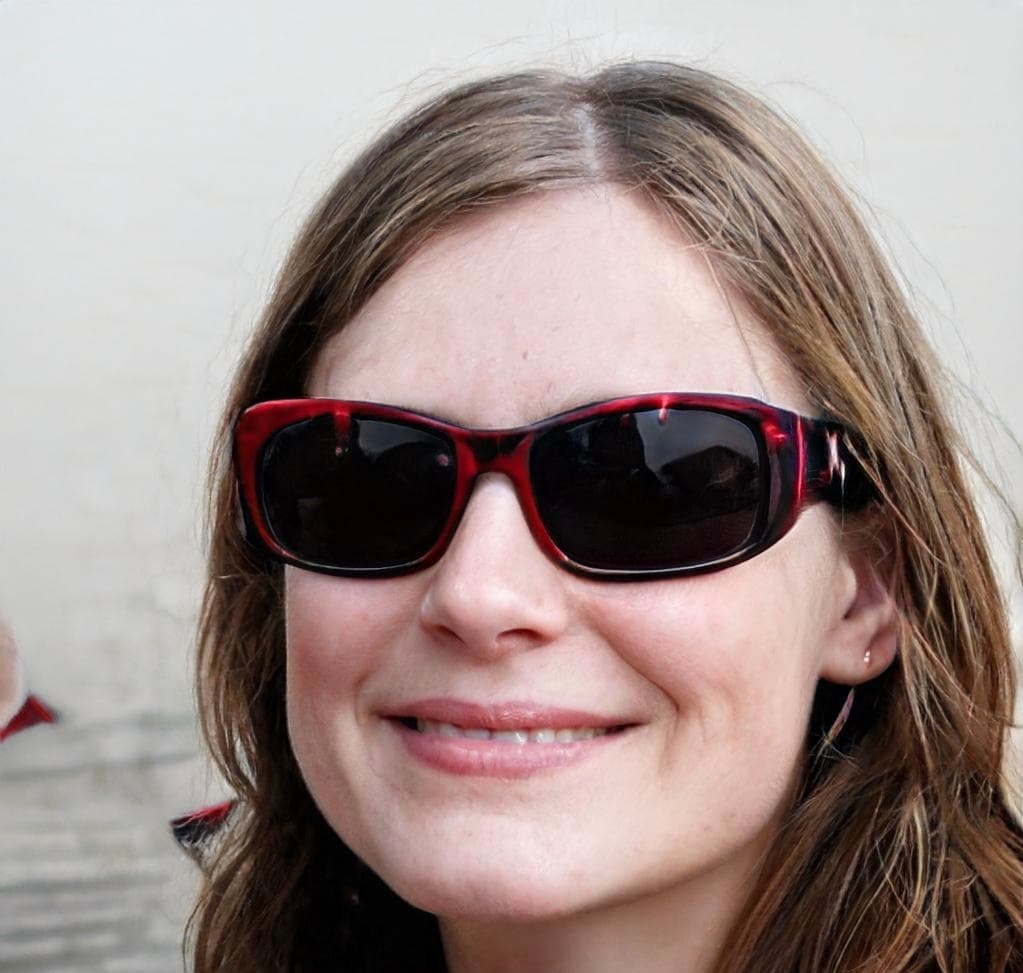
Living with ADHD: When the Pieces of the Puzzle Finally Come Together in Adulthood
Lucia is 33 years old and, on the outside, appears to be a woman who has everything under control. The truth, however, is that she spent most of her adult life struggling with invisible chaos. Her ADHD (attention-deficit/hyperactivity disorder) diagnosis, which is more commonly associated with restless boys sitting in school classrooms, came completely by accident six years ago, when she was living and working in the Czech Republic. In our interview, she openly describes how this discovery not only helped save her mental health, but also her marriage.
Lucia, perhaps we should start where everything changed. How does someone find out they have ADHD at the age of 27?
It really happened completely by accident. At the time, I was living with my husband (then still my boyfriend) in Brno, Czech Republic. I was working in a warehouse and going through severe burnout. I felt like I was completely unable to cope with adult life. I could not keep things organized, I kept forgetting to pay bills, and although I had great ideas at work, I could never manage to finish projects. I went to see a psychologist because I thought I had severe depression or an anxiety disorder. After a few sessions, she suddenly asked me: “Lucia, have you ever considered that you might have ADHD?” I was shocked. I had never been running around the classroom or disrupting lessons!
What did the process from that initial suspicion to an official diagnosis look like?
The psychologist gave me several questionnaires to complete and recommended a psychiatrist in the Czech Republic who specialized in adults with ADHD. The process did not happen overnight; it took about three months. I even had to find my old primary school report cards and think back to my childhood. When the diagnosis was finally confirmed, it was the strangest feeling of my life. It was a mixture of enormous relief and sadness about how different my life might have been if I had known earlier.
What actually changed in your life after the diagnosis?
First of all, that enormous burden of guilt disappeared. All my life, I had thought I was lazy, incapable, stupid, or simply not trying hard enough. When you realize that your brain genuinely works differently, that ADHD involves differences in dopamine regulation, and that your struggles are not a character flaw but part of a neurological condition, it is incredibly liberating. I started attending targeted therapy and learning strategies for managing my ADHD. Suddenly, I was able to function without being completely exhausted by the end of the day.
We also mentioned your marriage. How did ADHD affect your relationship before and after the diagnosis?
Before the diagnosis, it was often hell, and today I wonder how my husband managed to put up with me. He is a very systematic and organized person. I was walking chaos. For example, we might agree that I would clean the kitchen, but on my way to get a sponge I would notice a wilted plant, so I would go and water it. Then I would find a book that I wanted to take to the library... two hours later, the kitchen would still be dirty and I would be sitting there reading. He interpreted it as me ignoring him, as if I did not care about him or our home. It led to terrible arguments.
And after the diagnosis?
That diagnosis saved our relationship. My husband learned a lot about ADHD and suddenly understood that I was not doing these things deliberately. We learned how to communicate differently. When he sees me “drift away” into my thoughts now, he gently brings me back. We started using shared calendars, visual reminders on the fridge, and divided household tasks according to what each of us finds easier. He takes care of things that require routine and structure, while I handle things that require creativity and energy.
Is there anything you would like to say to people who feel as lost in adulthood as you once did?
If you feel that life is somehow inexplicably harder for you than it seems to be for your peers, if you constantly struggle with procrastination, chaos and guilt, look for the underlying reason. ADHD can present differently in women than it does in boys. We are often more dreamy, anxious and likely to mask our internal chaos, sometimes at the expense of our own well-being. Do not be afraid to seek professional help. An adult diagnosis is not a label meant to limit you. It is an instruction manual for your own brain — one that you simply did not have before.
We at ADHD Slovakia greatly appreciate you sharing this interview with us. Your story may help other people as well. Thank you.
If you would like to share your own story, contact us through social media or by email at info@adhdslovakia.eu.
This article is for educational purposes and does not replace an individual assessment by a healthcare professional.
Comments are provided by the external Giscus/GitHub service and load only after your consent.